The Sports Nutrition Landscape
The U.S. sports nutrition market has grown far beyond bodybuilders and elite athletes. Today, everyday fitness enthusiasts, weekend warriors, and health-conscious consumers all drive demand for protein powders, pre-workouts, BCAAs, creatine, and recovery supplements.
This democratization of sports nutrition has created a $45 billion market with room for innovative international brands — particularly those offering clean-label, plant-based, or scientifically-backed formulations.
Key Product Categories
- Protein Powders & RTDs: The largest segment, with whey, casein, and plant-based proteins all showing strong growth
- Pre-Workout Formulas: High consumer loyalty but competitive — differentiation is key
- Amino Acids & BCAAs: Established category with steady demand
- Creatine: Experiencing a renaissance driven by research supporting cognitive benefits
- Recovery & Hydration: Fast-growing segment appealing to broader consumer base
Regulatory Considerations
Sports nutrition products are typically regulated as dietary supplements under DSHEA. Key requirements include:
- Supplement Facts panel (not Nutrition Facts)
- cGMP (Current Good Manufacturing Practice) compliance
- No claims that products diagnose, treat, cure, or prevent disease
- Structure/function claims must be truthful and supported by evidence
- Mandatory "This statement has not been evaluated by the FDA" disclaimer
- Adverse event reporting requirements
Third-Party Certifications That Matter
In the sports nutrition category, third-party certifications can make or break retail placement:
- NSF Certified for Sport: Required by many professional sports leagues
- Informed Sport: Widely recognized banned substance testing program
- USP Verified: United States Pharmacopeia verification
- Non-GMO Project Verified: Increasingly important for health-conscious consumers
Distribution Strategy
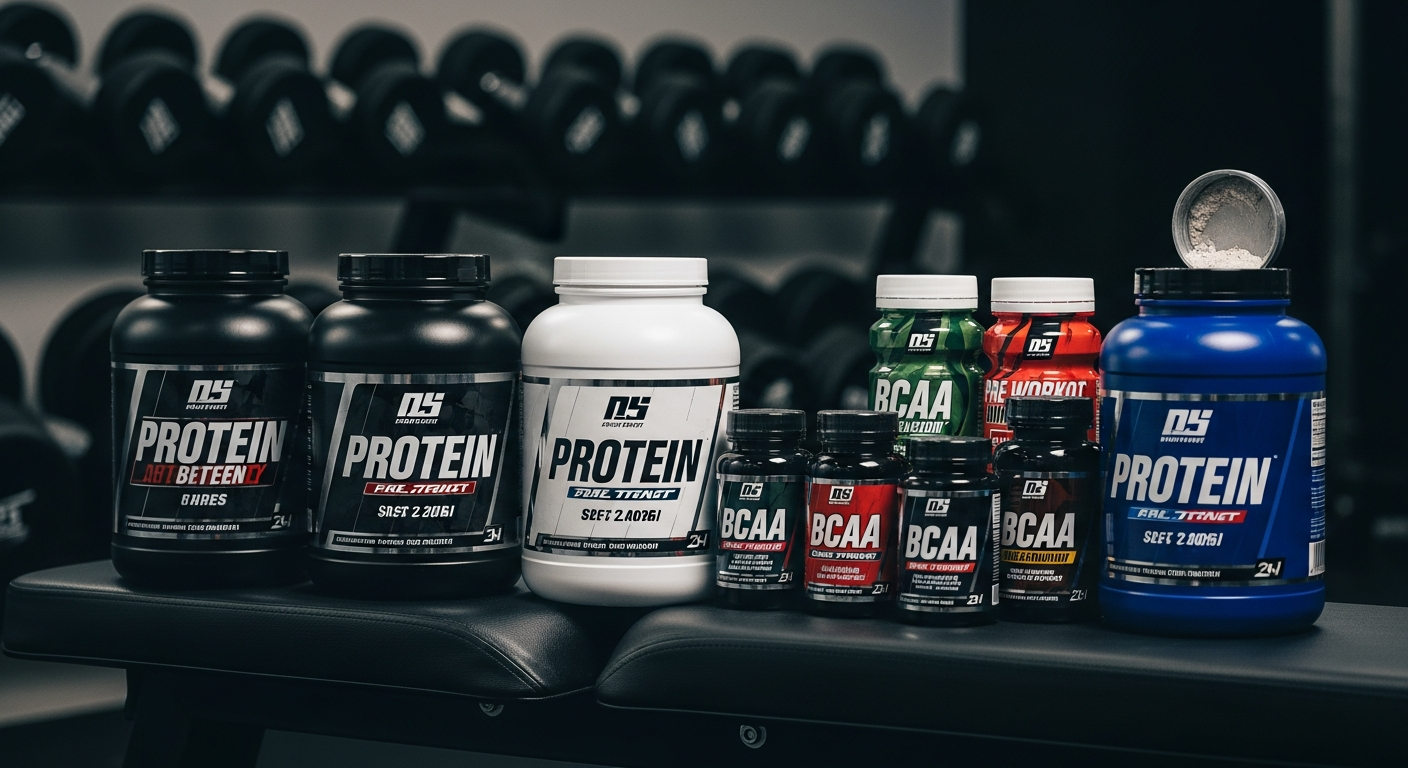
Sports nutrition products in the U.S. are sold through multiple channels including specialty retailers (GNC, Vitamin Shoppe), mass market (Walmart, Target, Costco), natural retailers (Whole Foods, Sprouts), online (Amazon, brand DTC), and gyms/fitness studios. International brands should consider starting with Amazon and DTC to build a U.S. consumer base before pursuing retail distribution.
 Distribution Strategy