The U.S. sports nutrition market is worth over $50 billion — and it's the most competitive supplement category on earth. For international brands, breaking into it requires more than a great product. You need a clear import strategy, an FDA-compliant label, and the right distribution partner from day one.
This guide covers everything an international sports nutrition brand needs to know before shipping its first container to the United States.
Why Sports Nutrition Is a Special Import Case
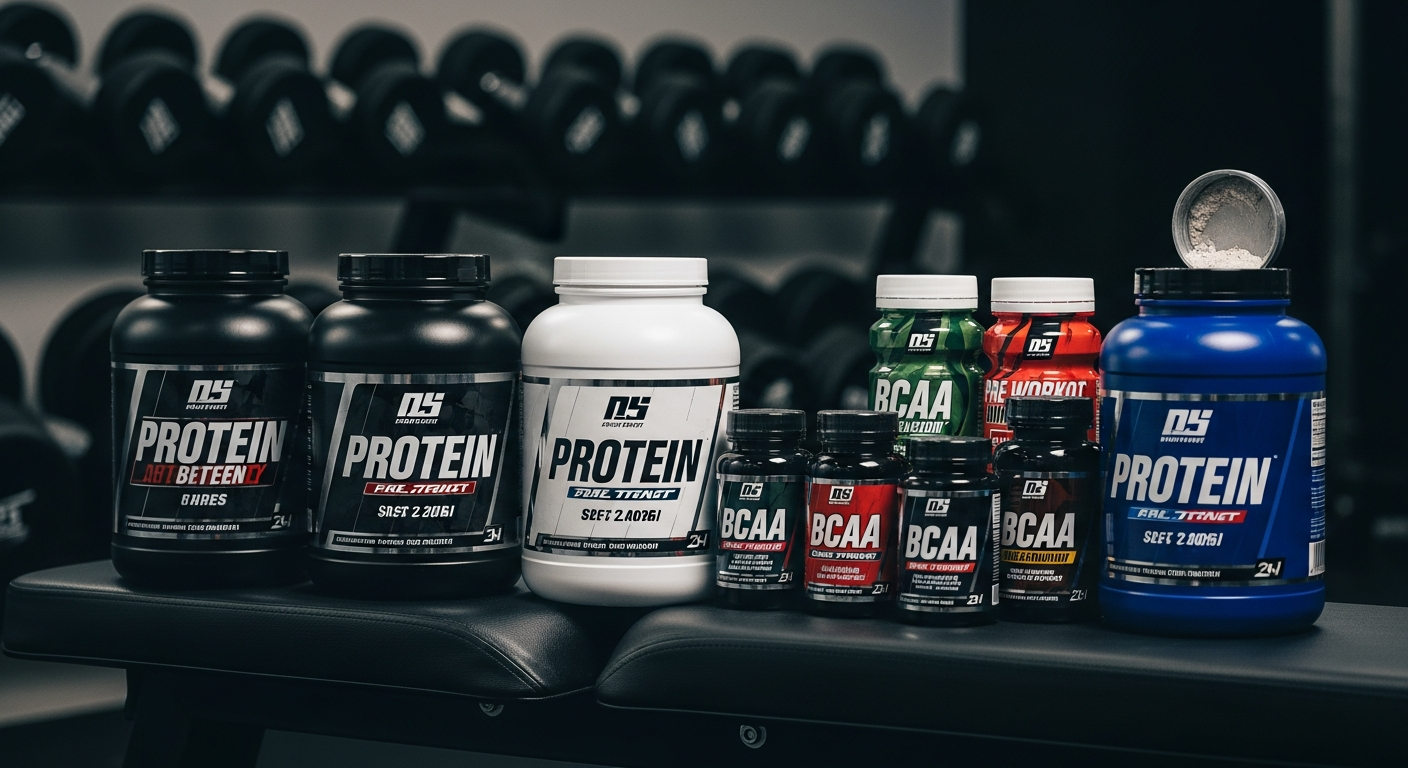
Sports nutrition products — protein powders, pre-workouts, BCAAs, creatine, weight management supplements — are regulated by the FDA as dietary supplements under DSHEA (Dietary Supplement Health and Education Act). But they also sit in a grey zone: many products make structure/function claims that border on drug claims, and the FDA scrutinizes them closely at the port of entry.
Common import hold triggers for sports nutrition products include:
- Stimulant ingredients (caffeine, synephrine, DMAA) that may be classified as adulterated
- Prohibited substances under FDA's list of tainted products
- Labeling non-compliance — incorrect Supplement Facts panel format, missing allergen declarations
- cGMP violations — products manufactured outside FDA-registered facilities
- Undeclared drug ingredients detected in lab testing
Working with an experienced U.S. distributor or importer of record (IOR) who understands sports nutrition's specific risk profile is essential. Trulife Distribution specializes in guiding international sports nutrition brands through exactly these compliance hurdles.
The FDA Requirements Every Sports Nutrition Importer Must Meet
Before your first shipment arrives in the USA, you need to have these elements locked in:
1. FDA Facility Registration
The facility that manufactures your product must be registered with the FDA and comply with current Good Manufacturing Practices (cGMP) regulations (21 CFR Part 111). If you're using a contract manufacturer, verify their FDA registration number before finalizing any production run. Many international manufacturers — particularly in Europe and Australia — are already FDA-registered, but you should confirm this in writing.
2. Supplement Facts Panel Compliance
Your label must use the U.S. Supplement Facts format — not the European Nutrition Facts panel or Australian format. This means specific serving size declarations, per-serving and per-container values, % Daily Value references (where applicable), and mandatory allergen statements. A label that passes GS1 certification in the EU will not automatically meet FDA requirements.
3. Structure/Function Claims Review
Sports nutrition products often make claims like "supports muscle recovery," "enhances endurance," or "promotes fat metabolism." These are permissible structure/function claims under DSHEA — but only with the required FDA disclaimer: "This statement has not been evaluated by the Food and Drug Administration. This product is not intended to diagnose, treat, cure, or prevent any disease."
Disease claims ("treats muscle tears," "prevents injury") are prohibited and will get your product seized at the border.
4. Prior Notice Filing
Every shipment of food or dietary supplement imported into the USA requires a Prior Notice filing with the FDA before the shipment arrives. This must be submitted via the FDA's Prior Notice System Interface (PNSI) no earlier than five days before arrival and no later than two hours before arrival for air shipments. Your importer of record or customs broker typically handles this — but make sure they know the product is a dietary supplement, not a food.
Building a U.S. Distribution Strategy for Sports Nutrition
Sports nutrition products have multiple viable distribution channels in the USA. The right mix depends on your brand positioning, price point, and long-term goals.
Channel 1: Specialty Retail (Vitamin Shoppe, GNC, The Vitamin Outlet)
The traditional path for premium sports nutrition brands. Vitamin Shoppe and GNC together represent thousands of store locations and are the most recognizable specialty health retailers in the USA. Getting listed here requires an approved vendor application, a minimum run of 12–24 SKUs in some cases, and often a co-op marketing commitment. A distributor with existing buyer relationships at these accounts dramatically shortens the timeline from application to shelf.
Channel 2: Amazon USA
For most international sports nutrition brands, Amazon is the fastest and most scalable first channel. Amazon FBA (Fulfilled by Amazon) removes the need for a U.S. warehousing partner — you ship your product to an Amazon fulfillment center and Amazon handles storage, picking, packing, and shipping to customers. However, Amazon's sports nutrition category is highly competitive, and without strong SEO, reviews, and advertising investment, new brands struggle to gain traction.
Channel 3: Gym & Fitness Channel
Direct sales to gyms, crossfit boxes, and fitness studios represent a strong channel for brands with clinical credibility or a professional athlete endorsement. This channel typically requires a dedicated sales rep or broker, product samples, and flexible payment terms — but it builds brand equity that retail and Amazon cannot replicate.
Channel 4: Direct-to-Consumer (DTC) E-commerce
Brands with a strong home-market following can leverage that social proof to drive U.S. DTC sales through a Shopify or WooCommerce store. The key challenge is U.S. shipping economics: without a U.S. fulfillment partner (3PL), DTC orders shipped from overseas face high freight costs, customs delays, and poor delivery experiences. A U.S.-based 3PL partner solves this.
Finding the Right U.S. Distributor for Your Sports Nutrition Brand
A sports nutrition distributor is not just a logistics partner — they're a market development partner. The right distributor will handle warehousing, order fulfillment, broker management, retail buyer relationships, and compliance. The wrong distributor will warehouse your product and do nothing with it.
When evaluating potential U.S. sports nutrition distributors, ask:
- Do they have existing relationships with the retail accounts you want to be in?
- What is their current sports nutrition portfolio, and do your products complement or compete with it?
- Do they handle import logistics and FDA compliance, or is that your responsibility?
- What are their minimum volume requirements and payment terms?
- Do they provide sales data, velocity reports, and sell-through reporting?
Trulife Distribution operates as a full-service U.S. market entry partner for international supplement brands — handling import logistics, FDA compliance review, warehouse and fulfillment, Amazon management, and retail sales all under one roof. This model is increasingly preferred by international brands that want execution, not just a warehouse address.
Timeline and Budget: What to Expect
International sports nutrition brands should budget 6–9 months from decision to first retail sale in the USA. Here's a realistic timeline:
- Months 1–2: Label compliance review and reformulation (if needed), FDA facility registration verification, U.S. entity formation
- Months 2–3: Production run to U.S. label spec, customs documentation preparation, distributor / 3PL selection
- Months 3–4: First container import, Amazon listing creation and optimization, initial wholesale outreach
- Months 4–6: Amazon launch with PPC campaign, initial retail presentations, influencer seeding
- Months 6–9: First retail purchase orders, Amazon organic ranking building, reorder cycle begins
Budget-wise, expect a minimum investment of $75,000–$150,000 USD for a serious U.S. sports nutrition launch covering production, import costs, Amazon setup, and initial marketing. Brands that treat the U.S. as a test with $20,000 rarely succeed.
Take the Free U.S. Market Readiness Quiz
Not sure if your sports nutrition brand is ready for U.S. import and distribution? Take the free USA Entry Point Readiness Quiz — 15 questions, AI-powered results in under 3 minutes — and get a personalized score, gap analysis, and recommended first steps for your brand.
Take the Free Readiness Quiz →
 Distribution Strategy