The U.S. functional beverage market is growing at double digits annually — driven by consumers reaching for energy, focus, immunity, and relaxation in drinkable form. For international brands with innovative functional drinks, the U.S. represents a massive opportunity. But the import, compliance, and distribution journey is more complex than for supplement capsules or powders.
This guide covers everything an international functional beverage brand needs to know about importing to the USA — from FDA classification to choosing between DSD and warehouse distribution models.
FDA Classification: Is Your Drink a Food, Beverage, or Drug?
The first and most important question for any functional beverage import is: how does the FDA classify your product? The answer determines your label format, claims permissions, and import documentation requirements.
Conventional Beverages (Nutrition Facts Panel)
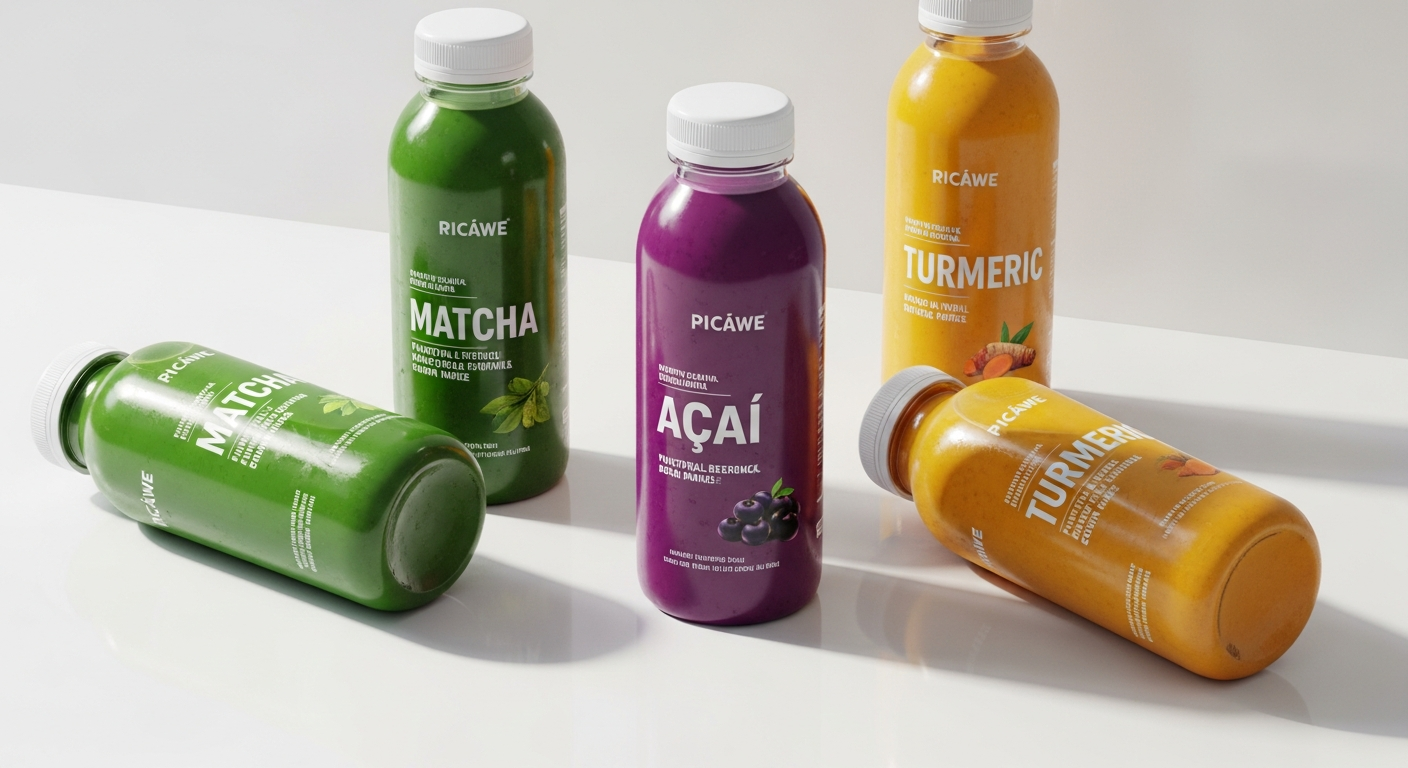
Most functional beverages are classified as conventional foods and must use the standard Nutrition Facts panel — not the Supplement Facts panel. This applies to energy drinks, functional waters, probiotic sodas, kombucha, adaptogen beverages, and fortified juices. As conventional foods, these products cannot make structure/function claims without significant regulatory exposure — they can make nutrient content claims and may qualify for authorized health claims, but the rules are stricter than for dietary supplements.
Dietary Supplement Beverages (Supplement Facts Panel)
A beverage can be classified as a dietary supplement — and use the Supplement Facts panel with structure/function claims — only if it meets specific criteria: the product must be intended to supplement the diet, labeled as a dietary supplement, and not be a conventional food or beverage. In practice, this is a high regulatory bar. The FDA has challenged many liquid dietary supplements, arguing they are conventional beverages. Working with an FDA regulatory attorney before launching a supplement-classified beverage is strongly recommended.
Drug Classification Risk
Functional beverages making disease claims ("reduces anxiety," "treats insomnia," "prevents hangovers") risk being classified as unapproved drugs. This is an import stop and potential seizure scenario. Every claim on your label, website, and social media is fair game for FDA review.
Functional Beverage Import Requirements
Beyond FDA classification, importing functional beverages involves additional compliance steps that don't apply to solid-form supplements:
Prior Notice and FSVP
All food and beverage imports require Prior Notice filing before arrival. Additionally, under FSMA's Foreign Supplier Verification Program (FSVP), the U.S. importer must verify that your manufacturing facility meets FDA food safety standards — including a Food Safety Plan that covers hazard analysis and preventive controls. This is a more involved requirement than the simpler dietary supplement import process.
Facility Registration
Your beverage production facility must be registered with the FDA as a food facility. This registration must be renewed every two years (in even-numbered years). Failure to register or renew results in import refusal.
UPC and Barcode Requirements
U.S. retailers require GS1 US barcodes (not GS1 UK, GS1 EU, or other regional variants). If your products use European EAN barcodes without a U.S. GS1 company prefix, you'll need to either reprint labels or re-register your products with GS1 US before retail distribution can begin.
Net Content and Measurement
U.S. beverages must declare net content in both metric (mL/L) and U.S. customary units (fl oz). Most international brands are already metric-compliant but forget the dual-declaration requirement.
The U.S. Beverage Distribution Landscape
Beverage distribution in the USA operates very differently from supplement distribution. Understanding the two primary models is essential for planning your market entry.
Direct Store Delivery (DSD)
DSD distributors deliver directly to retail stores — often multiple times per week — and handle in-store placement, merchandising, and stock rotation. This is the dominant model for energy drinks, kombucha, refrigerated beverages, and carbonated functional drinks. Major DSD networks include regional distributors and, at scale, the Coca-Cola and PepsiCo distribution systems. Getting DSD distribution is highly relationship-dependent and typically requires an established brand with proven velocity. For new international brands entering the market, a regional DSD partner in one territory (e.g., Florida or the Northeast) is a realistic starting point.
Warehouse Distribution
Shelf-stable functional beverages (non-refrigerated) can move through warehouse distribution — similar to the natural product distribution model for supplements. KeHE Distributors and UNFI handle significant functional beverage volume for natural and specialty retailers. This model is more accessible for new brands but provides less active merchandising support than DSD.
Amazon and DTC
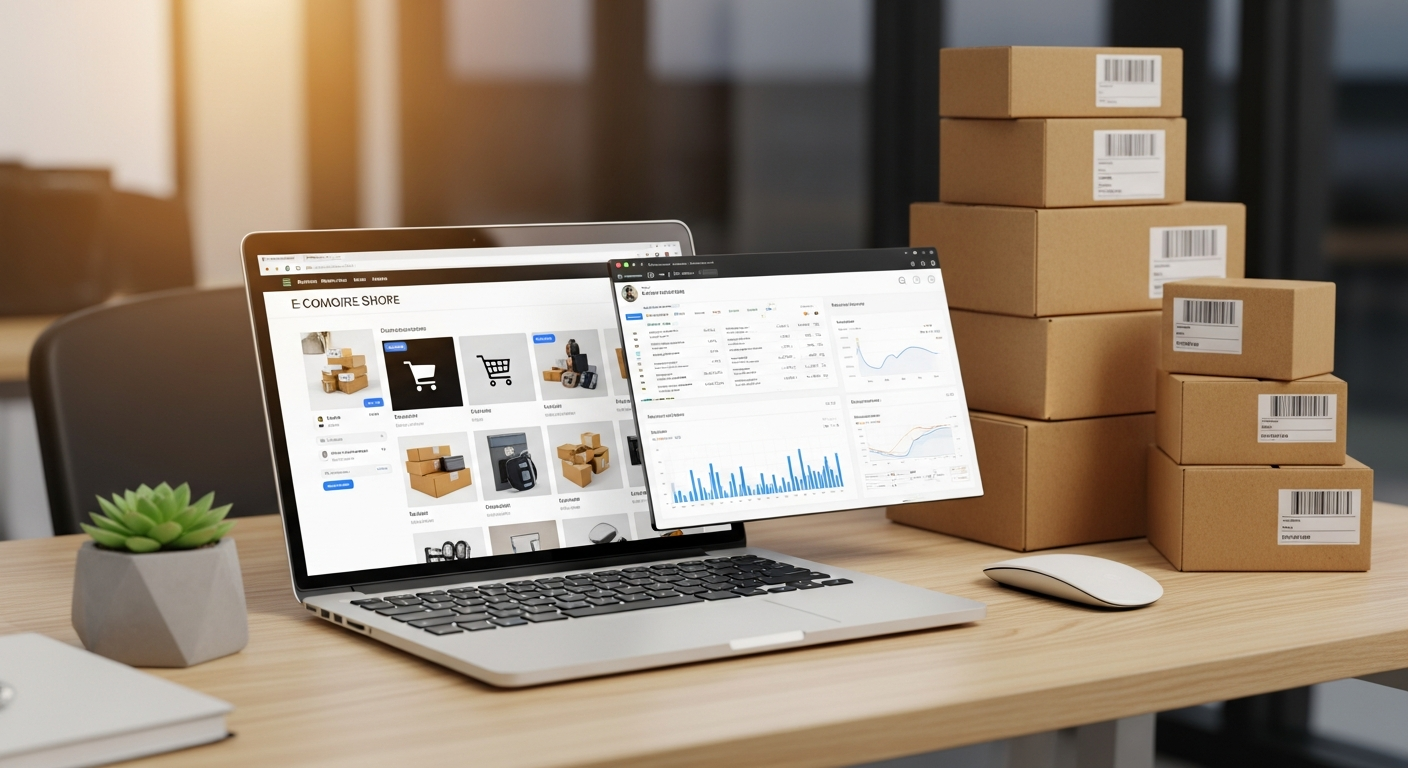
E-commerce is increasingly viable for functional beverages, particularly shelf-stable products. Amazon's grocery and health categories carry significant functional beverage volume. The primary challenge is shipping economics — beverages are heavy, and per-unit shipping costs can devastate margins on DTC orders unless you have a 3PL with negotiated parcel rates or offer case-quantity ordering.
Retail Channels for Functional Beverages
The strongest retail channels for imported functional beverages in the USA are:
- Natural & Specialty Retail: Whole Foods, Sprouts, Natural Grocers — ideal for clean-label, organic, and innovative functional beverages with strong brand stories
- Conventional Grocery: Kroger, Publix, Albertsons — higher velocity, lower margin, requires established distribution and marketing support
- Club: Costco and Sam's Club — high volume, requires case or multi-pack format; Costco in particular has a strong track record with international food and beverage brands
- Convenience: 7-Eleven, Wawa, Circle K — the energy drink channel; typically requires an established DSD relationship and proven consumer demand
- Fitness & Gym Channel: Strong for performance-focused functional beverages; requires broker relationships or direct sales
Working with a U.S. Beverage Distributor
The right U.S. distribution partner for an international functional beverage brand should offer:
- Experience importing food/beverage products, including FSVP compliance management
- Cold chain capabilities if your product requires refrigeration
- Existing retail buyer relationships in your target channel
- 3PL warehousing with appropriate food storage certifications (AIB, SQF, or equivalent)
- Broker management and sales support for regional retail expansion
Trulife Distribution supports international functional beverage brands through the full import and distribution process — from FDA registration verification and FSVP setup through warehouse fulfillment and retail sales. Contact us to discuss your beverage's specific requirements.
Start with a Free Market Readiness Assessment
Not sure if your functional beverage brand is ready for U.S. import? Take the free USA Entry Point Readiness Quiz for a personalized score and recommended action plan.
Take the Free Readiness Quiz →
 Distribution Strategy