The Rise of Functional Foods in the U.S.
Americans are increasingly choosing foods that offer health benefits beyond basic nutrition. The U.S. functional food market is projected to reach $275 billion by 2027, driven by consumer demand for products that support immunity, gut health, cognitive function, and energy.
For international food brands with innovative functional products, the U.S. market represents an enormous growth opportunity — but navigating the regulatory landscape is essential.
What Qualifies as a Functional Food?
In the U.S., there is no formal regulatory definition of "functional food." The category broadly includes:
- Fortified foods: Products with added vitamins, minerals, or other beneficial ingredients (e.g., calcium-fortified orange juice)
- Enhanced foods: Products with added functional ingredients like probiotics, prebiotics, or omega-3s
- Whole foods with inherent benefits: Products marketed for their natural health properties (e.g., turmeric-based snacks)
FDA Regulations for Functional Foods
Functional foods are regulated as conventional foods under the Federal Food, Drug, and Cosmetic Act. Key regulatory considerations:
- GRAS Status: Any added functional ingredient must be GRAS or approved as a food additive
- Health Claims: The FDA distinguishes between authorized health claims, qualified health claims, and structure/function claims — each with different evidence requirements
- Nutrition Labeling: Standard Nutrition Facts panel requirements apply, with additional rules for any nutrient content claims
- Food Allergen Labeling: The FASTER Act added sesame as the 9th major allergen requiring declaration
Popular Functional Food Categories
The fastest-growing functional food segments in the U.S. include:
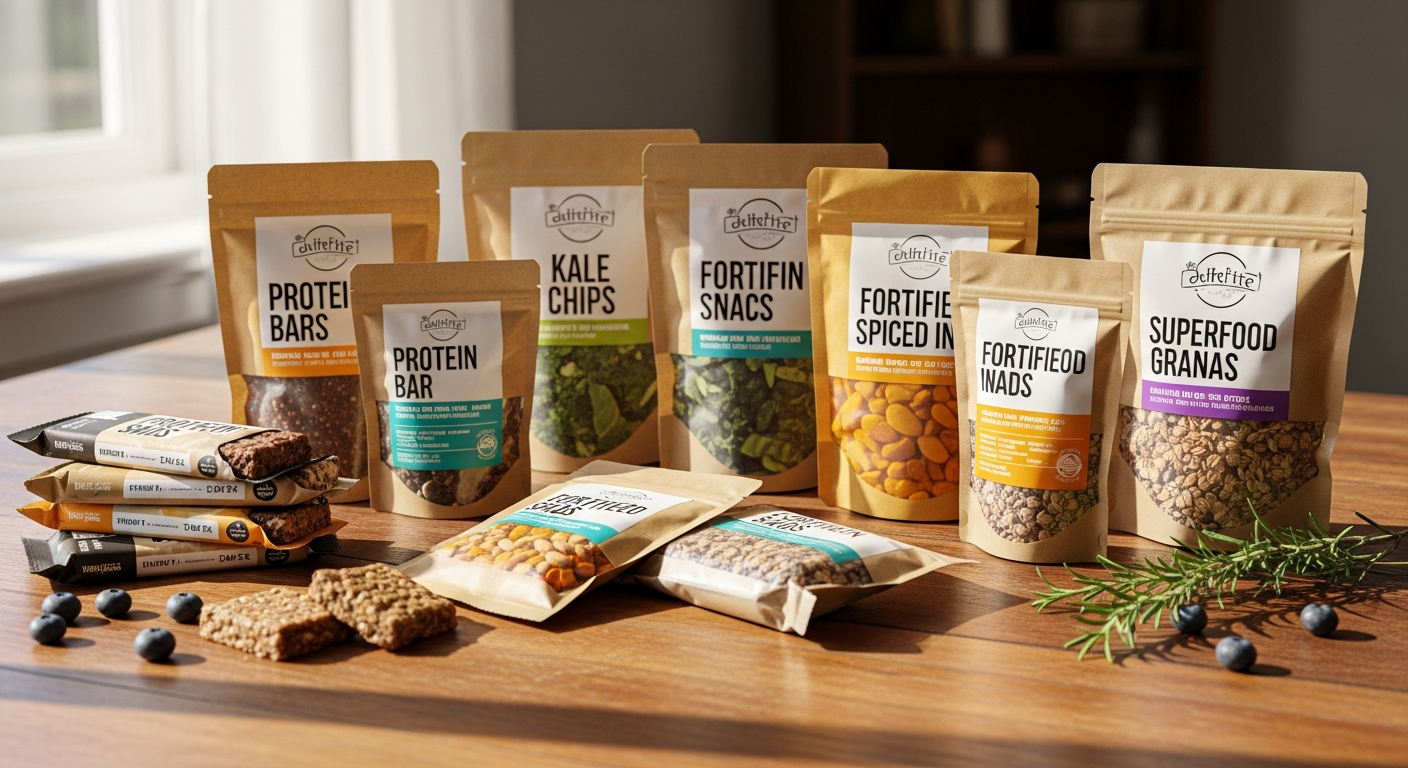
- Protein-fortified snacks and bars
- Probiotic and prebiotic foods
- Adaptogenic and mushroom-based products
- Collagen-enriched foods
- Plant-based functional alternatives
- CBD-infused foods (state-by-state regulations apply)
Market Entry Strategy
International functional food brands should focus on understanding the competitive landscape, ensuring ingredient compliance, and identifying the right retail and distribution channels. Starting with natural and specialty retailers like Whole Foods, Sprouts, or Natural Grocers can help build credibility before expanding to mass-market channels.
 Distribution Strategy