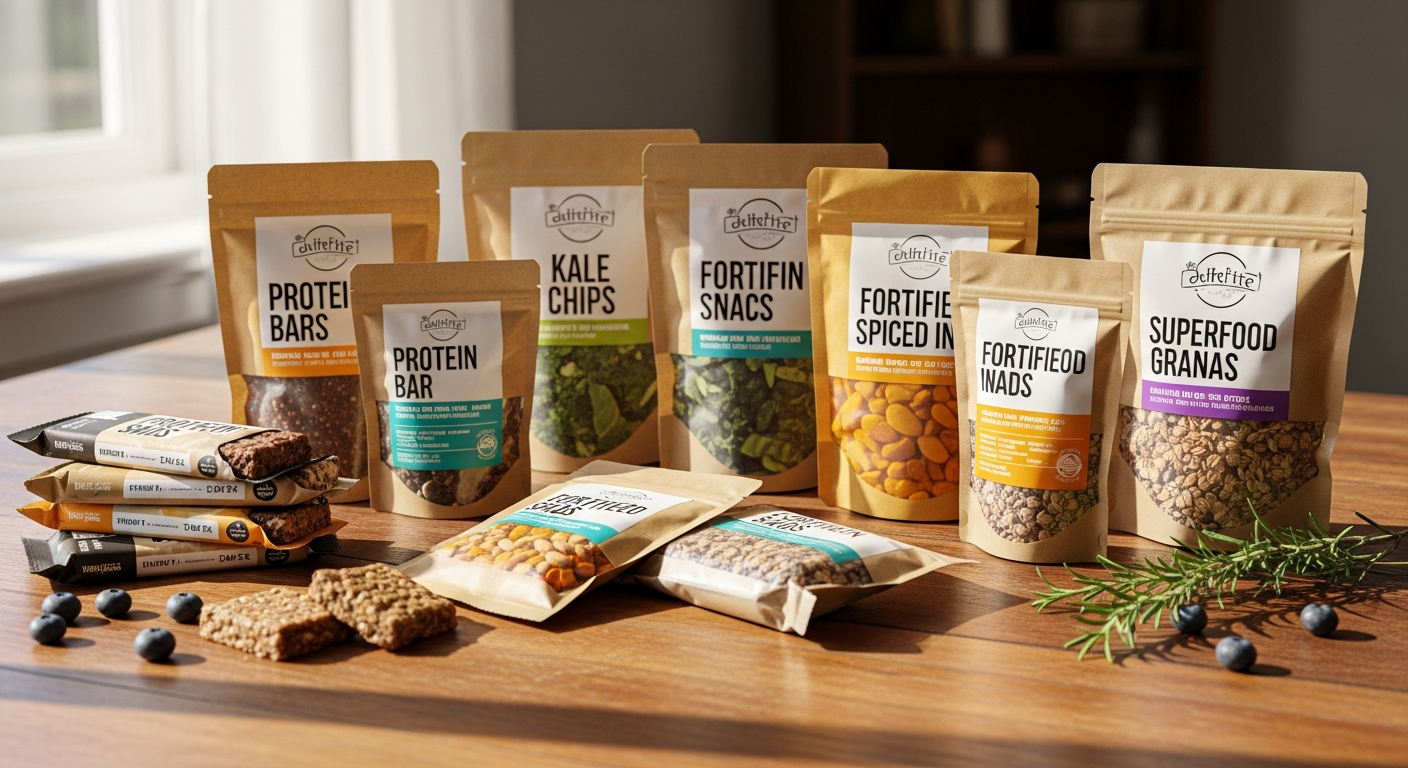
E-Commerce: The Fastest Path to U.S. Market Entry
While brick-and-mortar retail distribution remains the ultimate goal for many international supplement brands, e-commerce offers a faster, lower-risk entry point into the U.S. market. With over 80% of U.S. consumers having purchased health products online, digital channels are no longer just a stepping stone — they're a primary revenue driver.
Amazon: The #1 Starting Point
Amazon accounts for nearly 40% of all U.S. e-commerce sales and is the starting point for most international brands. Key considerations:
- Fulfillment by Amazon (FBA): Ship inventory to Amazon's warehouses and let them handle storage, shipping, and customer service
- Amazon Brand Registry: Protect your brand, access enhanced content tools, and run Sponsored Brand campaigns
- Compliance: Amazon has its own requirements for dietary supplement listings, including third-party testing documentation
- Reviews & Ratings: Critical for supplement sales — invest in building authentic reviews through Amazon Vine and excellent customer experience
Direct-to-Consumer (DTC) Website
A well-built DTC website gives you full control over branding, pricing, and customer relationships:
- Shopify: The most popular platform for supplement DTC sites, with apps for subscription management
- Subscription Models: Subscribe-and-save programs drive recurring revenue and improve customer lifetime value
- Content Marketing: Blog posts, educational content, and email marketing build trust and organic traffic
- Influencer Partnerships: Health and fitness influencers can drive significant DTC sales
Social Commerce
Social media platforms are increasingly becoming shopping destinations:
- TikTok Shop: Rapidly growing platform for health and wellness products, especially among younger demographics
- Instagram Shopping: Visual product discovery and seamless checkout
- Facebook/Meta Ads: Still the most sophisticated targeting platform for supplement brands
Legal & Compliance for Online Sales
- All FDA labeling requirements apply to online product listings and images
- FTC (Federal Trade Commission) regulations govern advertising claims — even on social media
- State-by-state sales tax obligations (use services like Avalara or TaxJar)
- California Prop 65 warnings may be required for products sold to California residents
- Terms of service, privacy policy, and return policy are essential
Building Your U.S. E-Commerce Presence
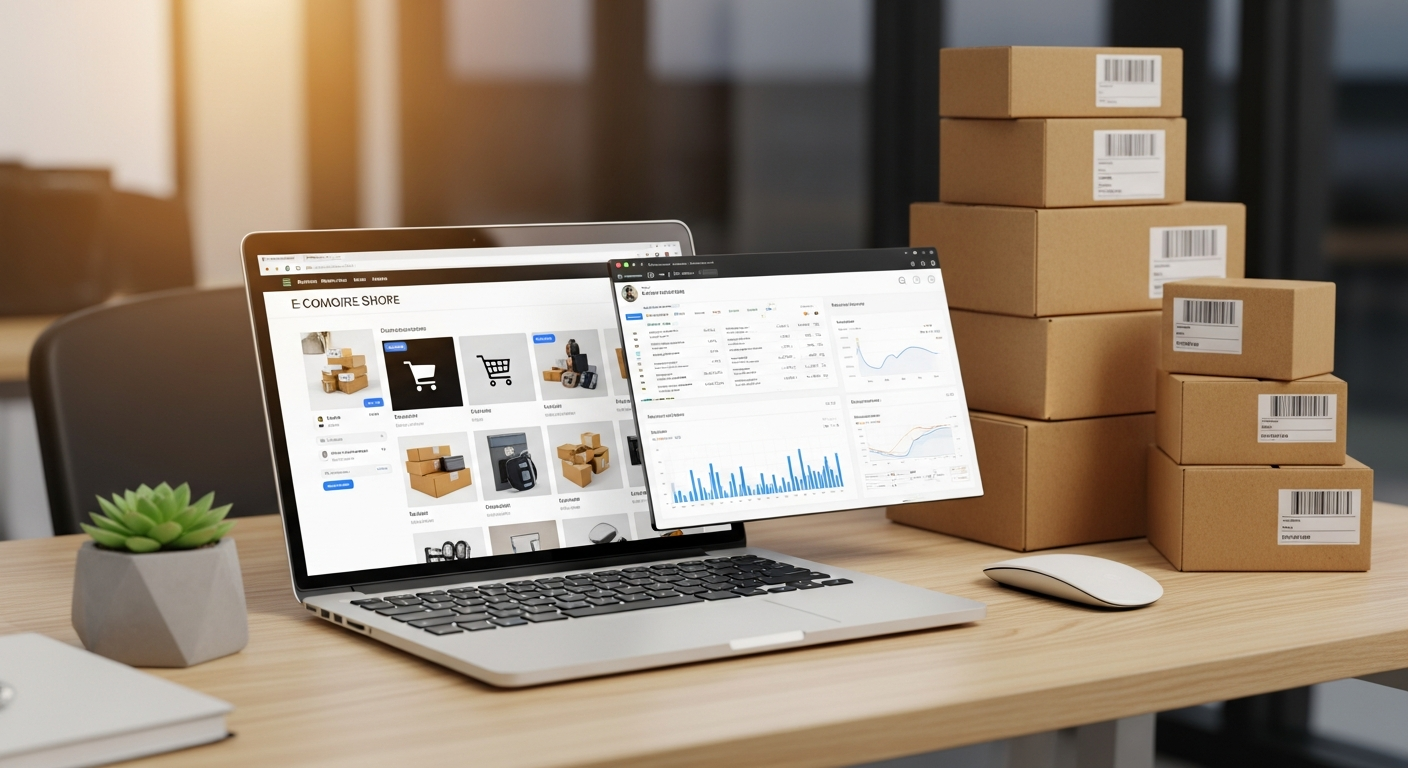
Start with Amazon FBA to test market demand and gather consumer feedback. Simultaneously build your DTC website to capture direct customers. As you grow, expand into social commerce and consider retail distribution. NPI can help international brands set up their complete U.S. e-commerce infrastructure from warehousing to fulfillment.
 Distribution Strategy